

Just like us, our beloved furry friends can experience various skin problems that can be irritating and impact their overall happiness. We can all agree that it’s heart-wrenching to see our canine companion in itchy skin distress – which is why we’ve put together this blog on the top 5 Natural Remedies For Common Skin Issues In Dogs that may help provide relief.
While it’s crucial to seek professional advice from a vet for an accurate diagnosis and appropriate treatment, there are a few natural remedies worth considering to relieve common skin issues in dogs. In this article, we’ll deep dive into the top five natural solutions that can enhance your furry friend’s well-being, giving insight into the properties, benefits, and applications of each remedy’s use.
The following Natural Remedies For Common Skin Issues In Dogs are safe, however, keep in mind that individual sensitivities may differ. If you observe any hostile reactions such as increased redness, itching, or discomfort, it’s advisable to discontinue using the remedy and consult your vet for alternative options.
Let’s dive in, shall we?
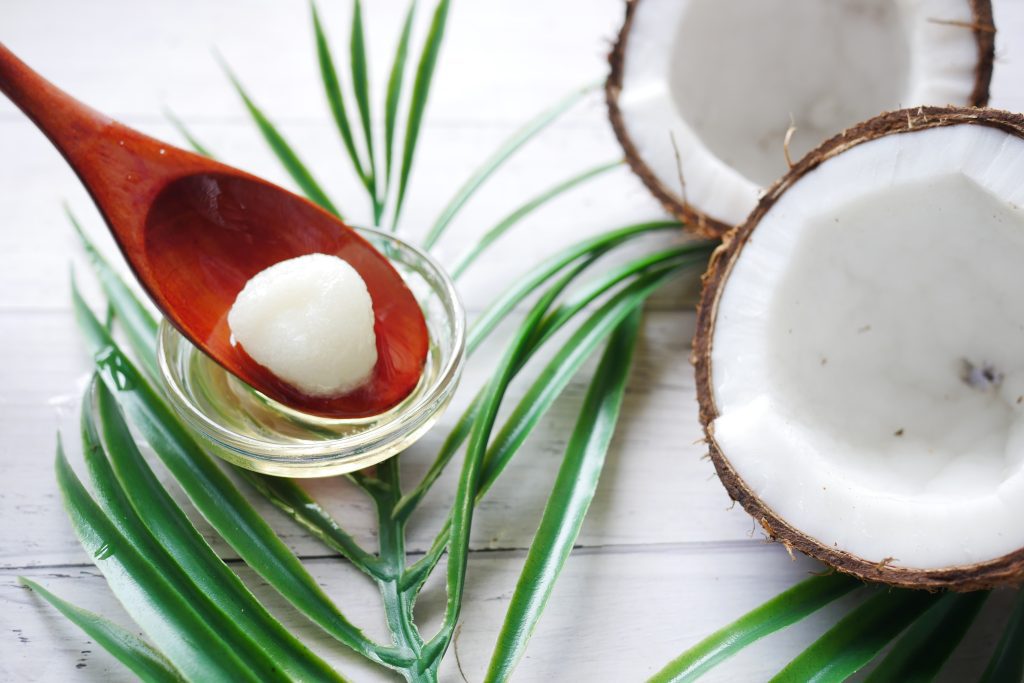
Coconut oil is a fantastic itchy dog home remedy that offers numerous benefits for the skin health of our canine companions.
Coconut oil contains medium-chain fatty acids, including lauric acid, which possess antimicrobial, antifungal, and antiviral properties. These properties make coconut oil highly effective in addressing various skin issues in dogs. Moreover, coconut oil is packed with vitamin E, which moisturizes and nourishes the skin, promoting overall skin health.
Coconut oil acts as a friendly and natural moisturizer for your furry friend’s skin. It works wonders by effectively hydrating dry skin, soothing irritation, and aiding in wound healing.
Its powerful anti-inflammatory properties help prevent infections and accelerate the healing process for cuts, scratches, and troublesome hot spots.
Regular use of coconut oil even gives your pup’s coat a marvelous makeover! It improves the overall condition and appearance, adding a beautiful shine, reducing frizz, and keeping dandruff at bay.
So, go ahead and treat your dog’s skin and coat with the goodness of coconut oil!
The frequency of coconut oil application depends on your dog’s specific needs and the severity of their skin issues. Generally, you can apply coconut oil to your dog’s skin once or twice a day. However, it’s important to observe your dog’s response and adjust the frequency as needed.
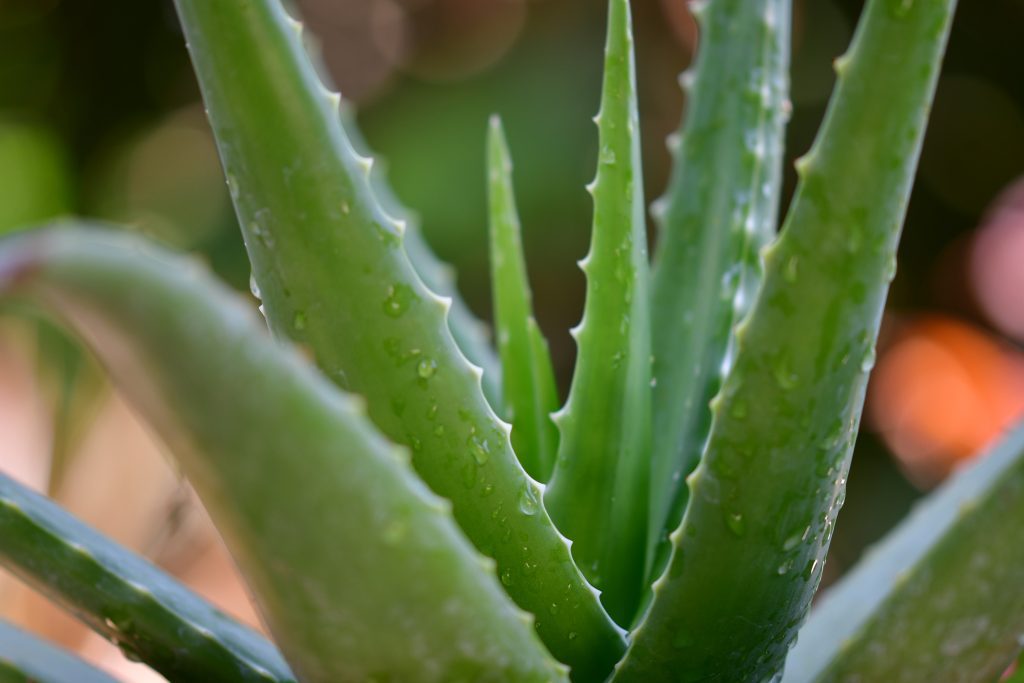
When it comes to addressing various skin problems in our beloved dogs, aloe vera is like a comforting embrace from nature itself. Its exceptional soothing and cooling properties have made it a popular choice for centuries. Packed with essential vitamins, minerals, enzymes, and amino acids, aloe vera possesses incredible healing abilities. What’s more, it naturally combats inflammation, fights harmful microorganisms, and provides deep moisturization for the skin.
Soothing Relief: Aloe vera offers a gentle touch of relief, calming itching, redness, and inflammation caused by allergies, bug bites, or minor irritations. It’s like a soothing balm for your dog’s troubled skin.
Nourishing Moisture: The plant acts as a natural moisturizer, providing deep hydration to dry and flaky skin. It also aids in healing infections, keeping your furry friend’s skin healthy and happy.
Wound Healing: Aloe vera’s remarkable properties facilitate the healing process of minor wounds, helping to minimize scarring and encourage the growth of healthy tissue. It’s also a trusted ally in soothing sunburned areas.
Tailoring the application of aloe vera to your dog’s specific needs is key. Generally, applying aloe vera gel once or twice a day to the affected areas is recommended. However, always observe your dog’s response and adjust the frequency accordingly.
If your dog’s skin condition shows improvement, you can reduce the application to a few times per week for maintenance. However, if the skin issues persist or worsen, it’s best to consult your veterinarian for professional advice.
With the gentle touch of aloe vera, your furry companion’s skin will experience a soothing transformation, restoring comfort and promoting a healthier state.
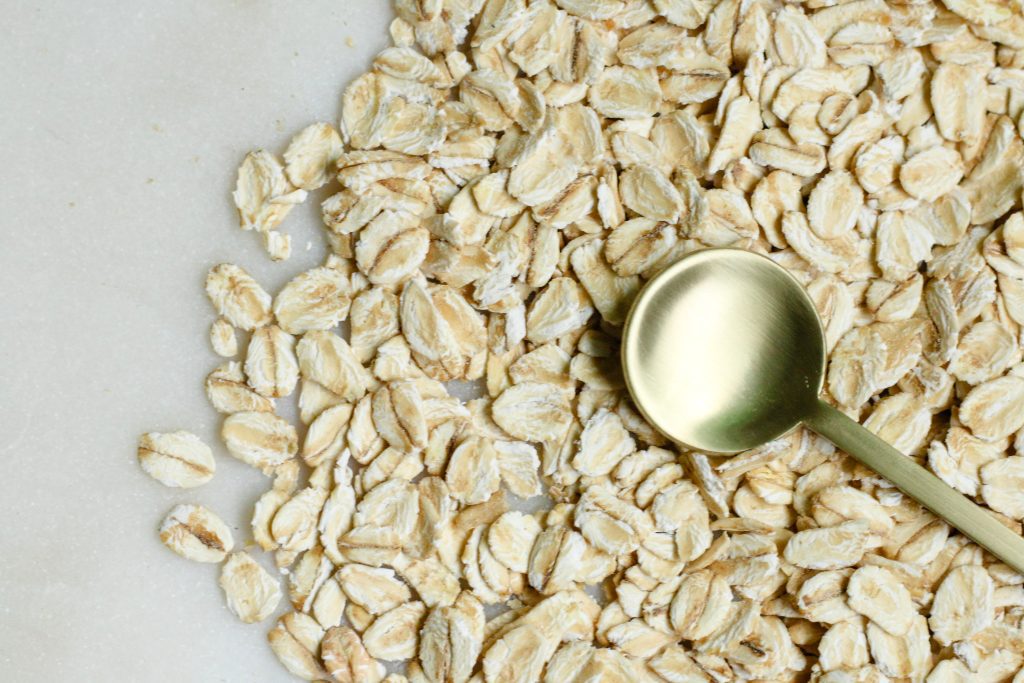
Maintaining your dog’s skin health is a breeze with the help of this itchy dog home remedy: oatmeal baths.
Oatmeal possesses wonderful anti-inflammatory and soothing properties, making it a natural and gentle option for relieving itchiness, redness, and inflammation in your dog’s skin. It acts as a mild cleanser, effectively removing dirt and allergens without stripping away the skin’s natural oils. Oatmeal is also known for its moisturizing abilities, providing hydration and nourishment to dry and sensitive skin.
Indulging your dog in an oatmeal bath offers multiple benefits. The gentle exfoliation and anti-inflammatory properties of oatmeal work harmoniously to reduce inflammation and provide relief to dry skin. It acts as a natural moisturizer, quenching the thirst of dry and flaky skin, restoring the skin barrier, and promoting a healthier appearance. Oatmeal’s cleansing properties also come to the rescue, bidding farewell to dirt, allergens, and impurities, while gently exfoliating away dead skin cells, revealing a smoother and healthier texture.
The frequency of oatmeal baths depends on your dog’s specific needs and the severity of their skin issues. In general, giving your dog an oatmeal bath once or twice a week is recommended, or as advised by your veterinarian. However, if your dog has sensitive or dry skin, you may choose to have less frequent baths, such as every two weeks, to avoid over-drying.
With the gentle touch of oatmeal baths, your dog’s skin will feel soothed, nourished, and ready to conquer the world. Give them the gift of oatmeal and let their skin shine with happiness and health!

When it comes to caring for your dog’s skin health, chamomile tea is a wonderful natural option!
Derived from the chamomile flower, chamomile tea is known for its calming and soothing properties. It contains compounds like chamazulene and bisabolol, which possess anti-inflammatory, antiseptic, and analgesic properties. These qualities make chamomile tea an excellent choice for relieving skin irritations and promoting healing.
Chamomile tea acts as a soothing balm for your pup’s skin irritations, minor allergies, and troublesome hot spots, providing relief from itchiness and discomfort.
Its remarkable anti-inflammatory properties work to promote healing, prevent infections, and maintain the skin’s moisture balance. This helps reduce dryness and strengthen the skin’s protective barrier.
Chamomile tea also provides gentle hydration, ensuring that your dog’s skin stays nourished and moisturized. It helps combat dryness, restoring a healthy and radiant appearance.
The frequency of chamomile tea application depends on your dog’s specific needs and the severity of their skin issues. Generally, applying chamomile tea once or twice daily is recommended, or as needed for relief. However, it’s important to observe your dog’s response and adjust the frequency accordingly.
If your dog’s skin condition improves, you may reduce the application frequency to a few times per week or as a preventative measure. If the skin issues persist or worsen, it’s advisable to consult your veterinarian for further guidance.
Remember, while chamomile tea is generally safe for dogs, each dog is unique. If you notice any adverse reactions, such as increased redness, itching, or discomfort, discontinue the use of chamomile tea and consult your veterinarian for alternative options.
With the soothing touch of chamomile tea, your dog’s skin will feel calmed, nourished, and ready to embrace the joys of life!

Fish oil is a remarkable supplement that offers numerous benefits for enhancing your dog’s skin health. Let’s explore its properties, benefits, application methods, and recommended frequency of use:
Fish oil is derived from fatty fish like salmon, mackerel, or sardines. It is naturally rich in omega-3 fatty acids, such as EPA and DHA. These essential fatty acids provide a range of properties that greatly benefit your dog’s skin.
Anti-Inflammatory Support: The omega-3 fatty acids in fish oil have anti-inflammatory properties that help reduce inflammation caused by allergies, dermatitis, and other skin conditions.
Moisture Enhancement: Fish oil improves skin moisture, making it highly beneficial for dogs with dry, flaky skin or a lackluster coat appearance.
Skin Barrier Strengthening: Fish oil supports the skin’s barrier function, protecting it from environmental irritants, allergens, and infections. It strengthens the skin’s defense mechanisms and reduces the risk of skin issues.
Healing Assistance: Fish oil aids in skin healing by reducing inflammation and supporting faster recovery from minor wounds, scratches, or hot spots.
Consult Your Veterinarian: It is crucial to consult your veterinarian before adding fish oil to your dog’s diet. They can provide guidance on the appropriate dosage based on your dog’s size, breed, and specific health needs.
Choose High-Quality Fish Oil: Select a high-quality fish oil supplement specifically formulated for dogs. Look for products that are pure, free from contaminants, and have a high concentration of EPA and DHA.
Oral Administration: Fish oil is typically administered orally. You can mix the appropriate dosage into your dog’s food or administer it directly into their mouth using a syringe or dropper.
Start with a Low Dosage: Begin with a lower dosage as recommended by your veterinarian and gradually increase it over time, allowing your dog’s system to adjust.
The frequency of fish oil administration depends on the specific product and the dosage recommended by your veterinarian. In general, fish oil is often given daily as a long-term supplement for optimal skin health.
It’s important to note that every dog is unique, and their individual needs may vary. Regularly consult with your veterinarian to monitor your dog’s progress and make any necessary adjustments to the dosage or frequency.
Remember, it is crucial to follow your veterinarian’s guidance and never exceed the recommended dosage. Excessive intake of fish oil can lead to potential side effects, such as digestive issues or an increased risk of bleeding in some cases.
By incorporating fish oil into your dog’s diet under professional guidance, you can help improve their skin moisture, reduce inflammation, and promote overall skin health. Let the nourishing power of fish oil support your dog’s skin on their journey to wellness.
By including these natural solutions into your dog’s skincare routine, you will not only provide relief from itching and irritation, but you will also foster a link of love and care with your canine friend. Their skin will be soothed and nurtured, ready to experience the joys of daily activities.
Remember that your veterinarian is your best ally in protecting your pet’s health and happiness. So, if you’re unsure or if your skin problems continue, don’t be afraid to seek their professional advice.
Wishing you wagging tails and wonderful times to you and your furry friend – Cheers to the healing power of natural treatments and the love we have for our pets!


We are dedicated to assisting you in finding the greatest products to keep them looking and feeling their best.