

A great option to help your pet’s fur health is to give them nutrients made particularly to encourage healthy skin and coat. We will examine the best dog supplements for a healthy coat in this blog article, and go over any precautions you should take while augmenting your pet’s diet. Continue reading if you want to learn more about how to maintain your pet’s coat looking and feeling its best!
Best Dog Supplements For A Healthy Coat
Proper grooming and a balanced diet are two strategies to guarantee your pet has a healthy coat. Some nutrients, on the other hand, may help produce a lustrous and healthy fur coat. Based on the online search results, below are some of the finest supplements for a healthy pet fur coat:
1. Essential Fatty Acids
Omega-3 and Omega-6 fatty acids are required for dogs to have a healthy coat. Omega-3 fatty acids have been shown to decrease inflammation and promote skin and coat health, whereas omega-6 fatty acids have been shown to increase skin barrier function and coat texture. Fish oil and flaxseed oil are good sources of omega-3 fatty acids, whereas vegetable oils are good sources of omega-6 fatty acids. Omega-3 and omega-6 supplements for dogs are also available at pet retailers.
2. Biotin
Biotin is a B vitamin that aids in the maintenance of healthy skin and hair. It can aid with shedding, coat texture, and preventing dryness and irritation. Biotin supplements are sold at pet stores and are also included in certain dog meals.
3. Vitamin E
Vitamin E is an antioxidant that promotes healthy skin and coat by reducing inflammation. It can also aid in the reduction of the affects of aging on the skin and coat. Vitamin E supplements for dogs are available at pet stores and in certain dog foods.
4. Zinc
Zinc is a mineral that aids in the maintenance of healthy skin and coat. It can help reduce skin dryness, irritation, and flakiness while also improving coat texture. Zinc supplements for dogs are available at pet stores and in certain dog meals.
5. Vitamin A
This essential vitamin helps to produce sebum, a natural oil that moisturizes and protects the skin and fur. Vitamin A also promotes skin tissue development and repair, which keeps your pet’s coat silky and lustrous. A vitamin A deficit can create a dry, flaking coat and skin irritation.
Where Can These Supplements Naturally Be Found?
While the recommended daily consumption of vitamins and minerals for dogs may differ from that of people, it is crucial to highlight that these nutrients should be obtained through the pet’s diet rather than from supplements. Having said that, these nutrients may be included in some pet meals and supplements.
Biotin may be found in foods such as eggs, milk, and bananas. Vitamin E may be found in a variety of nuts, seeds, and vegetable oils, as well as certain pet food and supplements. Vitamin A may be found in a variety of foods, including liver, fish oils, and dairy products, and it may also be added in pet food and supplements. Fish oils and some plant oils include essential fatty acids like omega-3 and omega-6, which can also be found in pet food and supplements. Zinc is present in a variety of meats and shellfish, as well as certain pet food and supplements. Before boosting a pet’s food, speak with a veterinarian since excessive levels of these nutrients can be dangerous.
While These Supplements Might Be Useful In Small Doses, It’s Vital To Be Mindful Of The Hazards Of Over-Supplementing.
In this part, we’ll look at the possible drawbacks of taking too many supplements:
1. Essential Fatty Acids
Excessive Omega-3 fatty acid consumption can induce blood thinning, which can be dangerous for pets on medication or with bleeding issues.
2. Biotin
While biotin deficiency is uncommon in pets, excessive biotin consumption can induce digestive disturbances such as nausea, vomiting, and diarrhoea.
3. Vitamin E
While vitamin E is typically harmless in dogs, too much of it might induce digestive discomfort and can interfere with blood coagulation.
4. Zinc
Excessive zinc consumption can produce digestive discomfort, including vomiting and diarrhea, and may interfere with the absorption of other vital elements such as copper. Chronic zinc poisoning can also result in more significant symptoms such as anemia, liver and kidney damage, and nerve damage.
5. Vitamin A
Too much vitamin A can induce hypervitaminosis A in pets, which can produce a variety of symptoms including visual problems, bone discomfort, and skin changes.
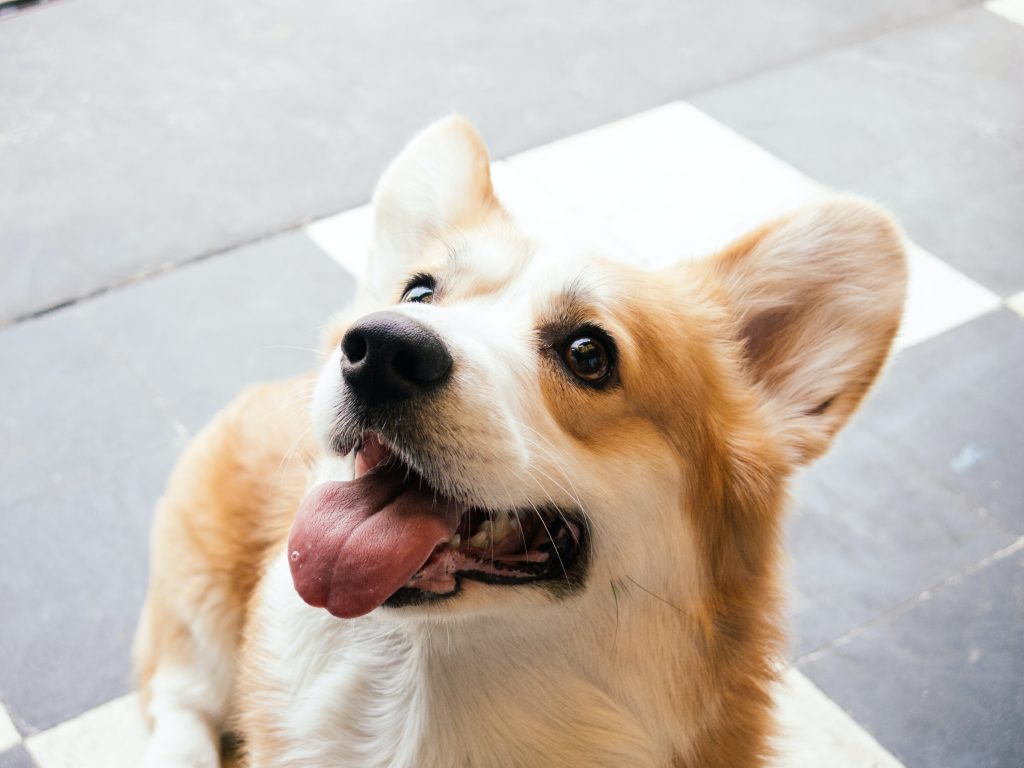
Oversupplementing your furry friend might be harmful to his or her health. It is critical to remember that pets have specific nutritional requirements, and that augmenting their food without competent advice might result in imbalances or toxicity. It is our responsibility as responsible pet owners to ensure that our dogs receive the nourishment they require to live a healthy and happy life. If you are thinking about adding supplements to your pet’s diet, contact with your veterinarian first to establish the best type and dosage for your pet. Your veterinarian can assist you in developing a nutrition plan suited to your pet’s specific needs and ensuring that your pet receives the required nutrients in the optimal proportions.
Final Words
Vitamins like as biotin, vitamin A, vitamin E, essential fatty acids, and zinc can help dogs maintain a healthy and lustrous coat. These vitamins can assist with nutrient shortages, dry skin and dandruff, and skin development and restoration. It is important to note, however, that over-supplementing can be harmful, and pet owners should check with their veterinarian to decide the right type and amount of vitamins for their pet. With the help of a veterinarian and a well-balanced diet, these vitamins can help your pet live a happy and healthy life.