
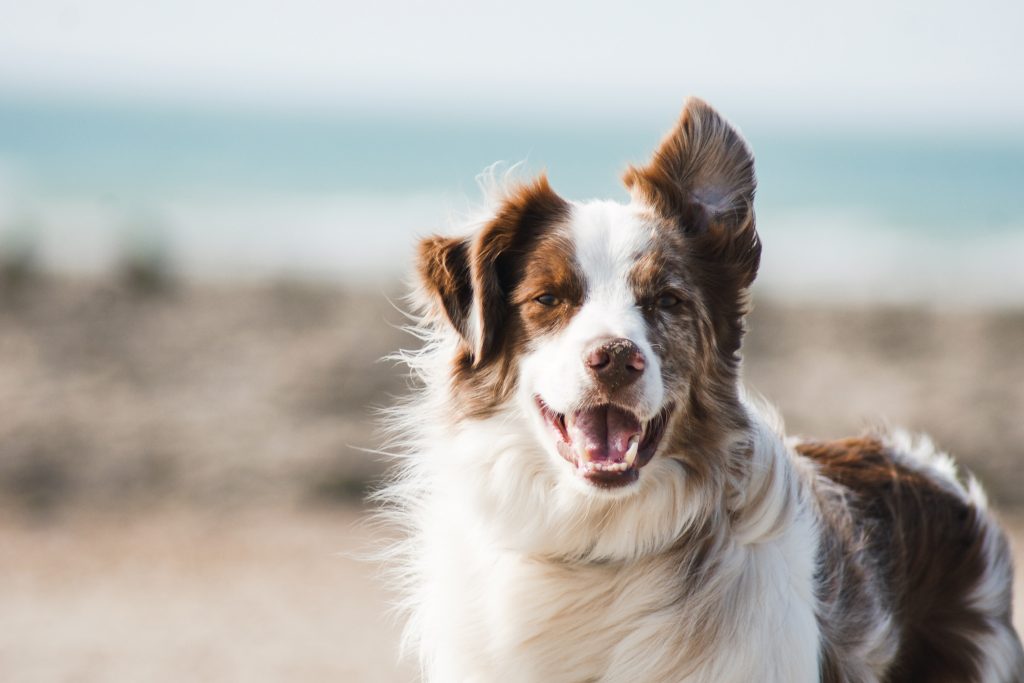
We all want our pets to look and feel their best. A bright, silky coat is one of the most obvious markers of a healthy pet. A healthy fur coat looks lavish and shows that our dogs are getting the attention and nutrients they require to flourish. If this is what you are looking to achieve, be sure to keep reading our 8 tips for a Healthy Pet Coat.
If you want to boost the health of your pet’s coat, you’re in luck! You can take numerous simple steps to keep your pet’s fur healthy and lustrous.
This blog post will go over eight strategies for improving the health of your pet’s coat. By following these suggestions, you’ll be well on your way to giving your pet a healthy, lustrous coat to be proud of!
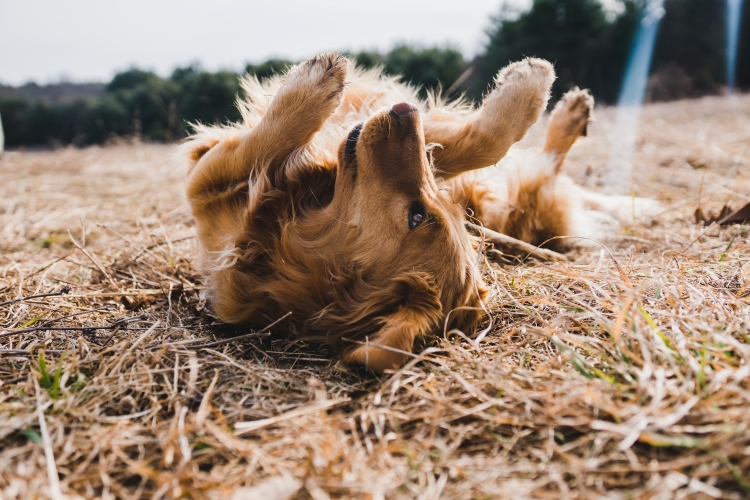
1. Schedule Time For Brushing
Brushing your pet’s coat regularly helps to eliminate knots, loose hair, and debris that may have gathered. This prevents matting, which can cause uncomfortable knots to strain on your pet’s skin. Brushing also stimulates the skin and encourages good blood flow, which can result in a shiny, healthy coat.
Set up a brushing schedule that works for both you and your pet. Choose a brush suited for your pet’s coat type, as different brushes perform better on different coat kinds. Begin by brushing your pet’s coat softly from head to tail, taking care not to tug or pull on any knots or tangles. Make the session enjoyable for your pet by using goodies or positive reinforcement.
2. Bathe Dogs Every 2-4 Weeks
Bathing your dog every 2-4 weeks is essential for keeping their coat healthy and lustrous. Bathing your dog helps to eliminate dirt, filth, and any extra oils that have formed on their skin and fur. This prevents matting and tangling, which can cause unpleasant knots to strain on your dog’s skin. Bathing also aids in the prevention of skin illnesses caused by the growth of bacteria and yeast on the skin.
Keep in mind that bathing dogs too regularly can be detrimental to their skin and coat health. Bathing too frequently can strip away the natural oils that keep their skin and coat healthy, resulting in dryness, discomfort, and even illness. Bathing your dog every 2-4 weeks will keep them clean and healthy without over-drying its skin. But, depending on their breed, exercise level, and overall health, some dogs may require more or less regular bathing. To establish the optimal bathing plan for your dog, always speak with your veterinarian.
To put this tip into action, begin by selecting a dog-specific shampoo. Human shampoos might be too strong and irritate their skin. Wet your dog’s coat well before applying shampoo and massaging it into their skin and fur. To avoid skin irritation, carefully rinse and remove all of the shampoo. Dry your dog with a towel or hairdryer to properly dry them, as moisture can cause skin discomfort.
3. A Healthy And Balanced Diet
A healthy and balanced diet is essential for keeping your coat in good condition. Your pet’s general health must be fed high-quality food that is abundant in nutrients, vitamins, and minerals. A healthy diet enhances the coat’s shine and texture while avoiding shedding and dandruff.
Avoid processed meals with artificial additives and preservatives since they might cause skin irritation and other health concerns. Choose meals high in protein, vital fatty acids, and antioxidants instead. You may also add nutritious snacks like carrots or blueberries to your pet’s diet. For a tailored diet, consult your vet on the best diet for your dog’s age, breed, and health status.
4. Provide Healthy Coat Supplements
Vitamins can boost a healthy pet coat. Two supplements that might help keep your pet’s fur looking healthy are omega-3 fatty acids and biotin. Omega-3 fatty acids in fish oils are vital as they can help decrease inflammation and promote skin and coat health. Biotin is a B vitamin that aids in the maintenance of healthy hair and skin.
Consult with your veterinarian to see if your pet will benefit from supplements. They can advise you on the optimum dosage and type of supplement for your pet’s specific needs.
5. Manage Any Allergies
Allergies may have a substantial influence on the skin and hair health of your pet. Food, pollen, and flea bites are all common allergies in dogs. Skin discomfort, itching, and hair loss may result from allergic responses. Controlling your pet’s allergies is critical for keeping their skin and fur healthy.
If you notice any signs of allergies in your pet, consult with your veterinarian to determine any allergies your pet may have. They can assist in the development of a treatment plan that may include medication, food adjustments, and environmental improvements to decrease your pet’s exposure to allergens.
6. Regular Exercise
Frequent exercise benefits not only your pet’s physique but also their coat. Exercise improves circulation, which can contribute to a healthier coat. Exercise also helps to relieve stress, which can harm your pet’s skin and coat health.
Ensure sure your pet receives enough activity for their age and breed. This includes activities like going on walks, playing fetch, or swimming. Provide lots of water and take frequent pauses, especially on hot days. Daily exercise not only helps to maintain good skin and fur, but it also helps to build your relationship with your pet.
7. Provide Consistent Parasite Prevention
Fleas, ticks, and other parasites can cause serious skin and hair irritation and damage in your pet. Consistent parasite prevention is vital for keeping a healthy coat. Consult your veterinarian to devise a parasite prevention strategy appropriate for your pet’s age, breed, and lifestyle.
Follow your veterinarian’s advice for tick and flea prevention. To keep parasites away, use prophylactic treatments such as collars, sprays, and topical treatments. Check your pet regularly for indications of parasites, such as itching or biting.
8. Manage Possible Skin Conditions
If you observe any strange signs on your pet’s skin, such as rashes, bald patches, or extreme itching, contact your veterinarian immediately. These symptoms might indicate a skin disease that needs to be treated. Ignoring these signs may result in further issues and suffering for your pet.
Keep an eye out for indications of skin irritation or discomfort in your pet. Arrange frequent veterinary check-ups to ensure that any skin issues are discovered and treated as soon as possible.
You can assist your furry friend to obtain a lustrous, healthy coat that they’ll want to show off by following these instructions. Remember that a gleaming coat is only one aspect of your pet’s overall wellness. Thus, continue to provide your pet with the love and attention they require to live happy, healthy lives.
Bathing your pet regularly with a soft shampoo will help you bond with them. Don’t forget to brush their coat regularly to eliminate knots, stray hair, and grime. Your pet will appreciate the additional care.
A nutritious and balanced food, frequent exercise, and controlling any allergies are all key elements to consider for the general health of your cat. Lastly, vitamins like omega-3 fatty acids and biotin can aid in the maintenance of a healthy coat.
Remember that your love and care are essential to your pet’s health and happiness. So, keep up the good work, and have fun spending quality time with your pet!