As pet owners, we strive to provide the best care possible for our furry companions. One vital aspect of their well-being is the condition of their coat. A healthy dog coat not only adds to their overall appearance but also serves as an indicator of their overall health. In this blog, we will explore the most common signs of an unhealthy dog coat and delve into the underlying causes. By being aware of these signs and understanding their implications, you can take proactive steps to ensure your dog’s coat remains vibrant and lustrous.
If you notice your pet might display any of the following signs of an unhealthy coat, we have you covered! Check out our blog on 8 Tips For A Healthy Pet Coat.
1. Dull and Lusterless Coat
A vibrant, shiny coat is often a reflection of a dog’s good health. If you notice that your dog’s coat has lost its natural luster and appears dull, it may indicate an underlying health issue.
Several factors can contribute to a lackluster coat, such as poor nutrition, allergies, hormonal imbalances, or inadequate grooming routines.
2. Excessive Shedding
Shedding is a natural process for dogs, but excessive shedding can be a sign of an unhealthy dog coat. If you find an excessive amount of hair on your furniture, clothing, or in your dog’s living areas, it may also suggest an underlying issue.
Factors such as nutritional deficiencies, skin allergies, hormonal imbalances, or parasitic infestations could contribute to excessive shedding.
3. Dry, Flaky Skin
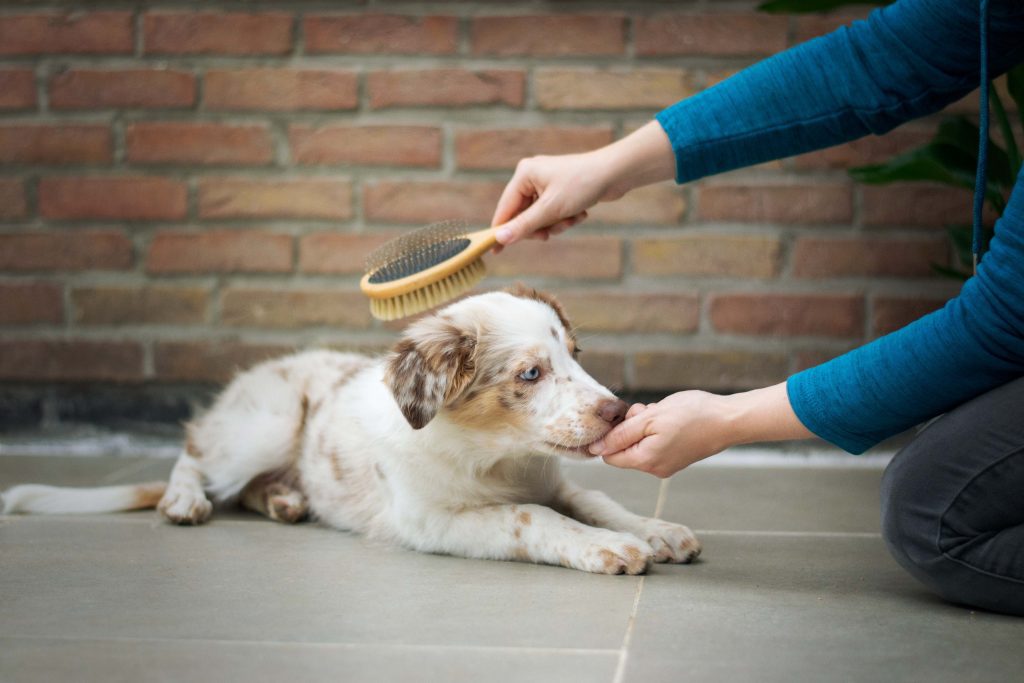
The condition of a dog’s skin is closely linked to the health of their coat. Dry, flaky skin is not only uncomfortable for your dog but can also lead to a dull, brittle coat.
Common causes of dry skin include poor diet, insufficient hydration, allergies, environmental factors, or medical conditions like dermatitis or hypothyroidism.
4. Patchy Hair Loss or Bald Spots
Patchy hair loss or the appearance of bald spots on your dog’s coat should not be ignored. These areas may be indicative of an underlying health issue or an infestation by parasites like fleas or mites.
Skin infections, autoimmune disorders, stress, or even excessive scratching and biting due to allergies can contribute to hair loss.
5. Tangled or Matted Coat
The condition of a dog’s skin is closely linked to the health of their coat. Dry, flaky skin is not only uncomfortable for your dog but can also lead to a dull, brittle coat.
Common causes of dry skin include poor diet, insufficient hydration, allergies, environmental factors, or medical conditions like dermatitis or hypothyroidism.
6. Excessive Oiliness or Greasiness
An extremely oily or greasy coat, on the other hand, might suggest an unhealthy state. Overactive sebaceous glands can generate a greasy coat and can be caused by a variety of causes including poor nutrition, hormone imbalances, skin cancers, bacterial or yeast infections, and parasites allergies, or dermatological diseases such as seborrhoea.
A coat that is too oily may generate a unique odor and be prone to matting or tangling.
7. Sores or Skin Lesions
The presence of sores or skin lesions on your dog’s coat should never be ignored. These can be a sign of underlying infections, allergies, parasites, or even autoimmune diseases.
Sores may appear as red, inflamed areas or scaly patches on the skin. It’s important to seek veterinary attention promptly to determine the cause and provide appropriate treatment.
8. Unpleasant Odor
While dogs have a natural odor, an exceptionally strong or unpleasant stench emerging from their coat might indicate a problem.
This odor might be caused by skin bacterial or yeast infections, poor hygiene, dental troubles, an anal gland problem, or the presence of sores or lesions. Bathing, grooming, and proper dental care can all help to keep unpleasant scents at bay.
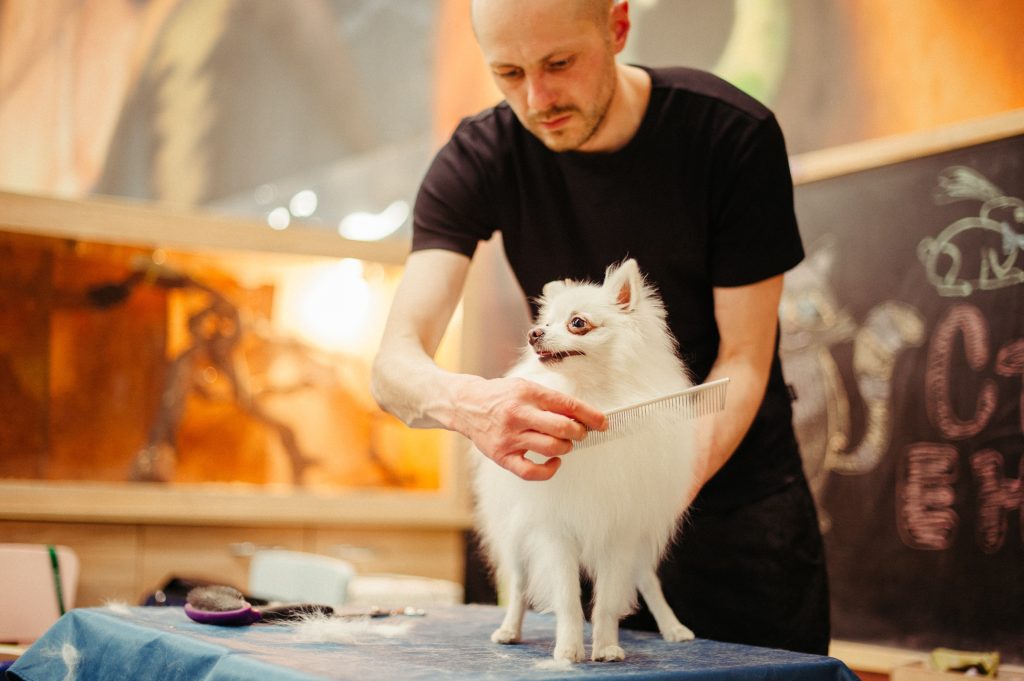
A healthy dog coat reflects your pet’s overall well-being. By paying attention to the signs discussed in this blog, you can take prompt action to address any underlying health concerns affecting your dog’s coat. Remember to provide a balanced diet, maintain a proper grooming routine, and consult with your veterinarian if you notice persistent or concerning changes in your dog’s coat. A healthy, vibrant coat will not only make your dog look their best but also contribute to their overall happiness and comfort.